Obtaining Legal Residency in Portugal (with a little help)
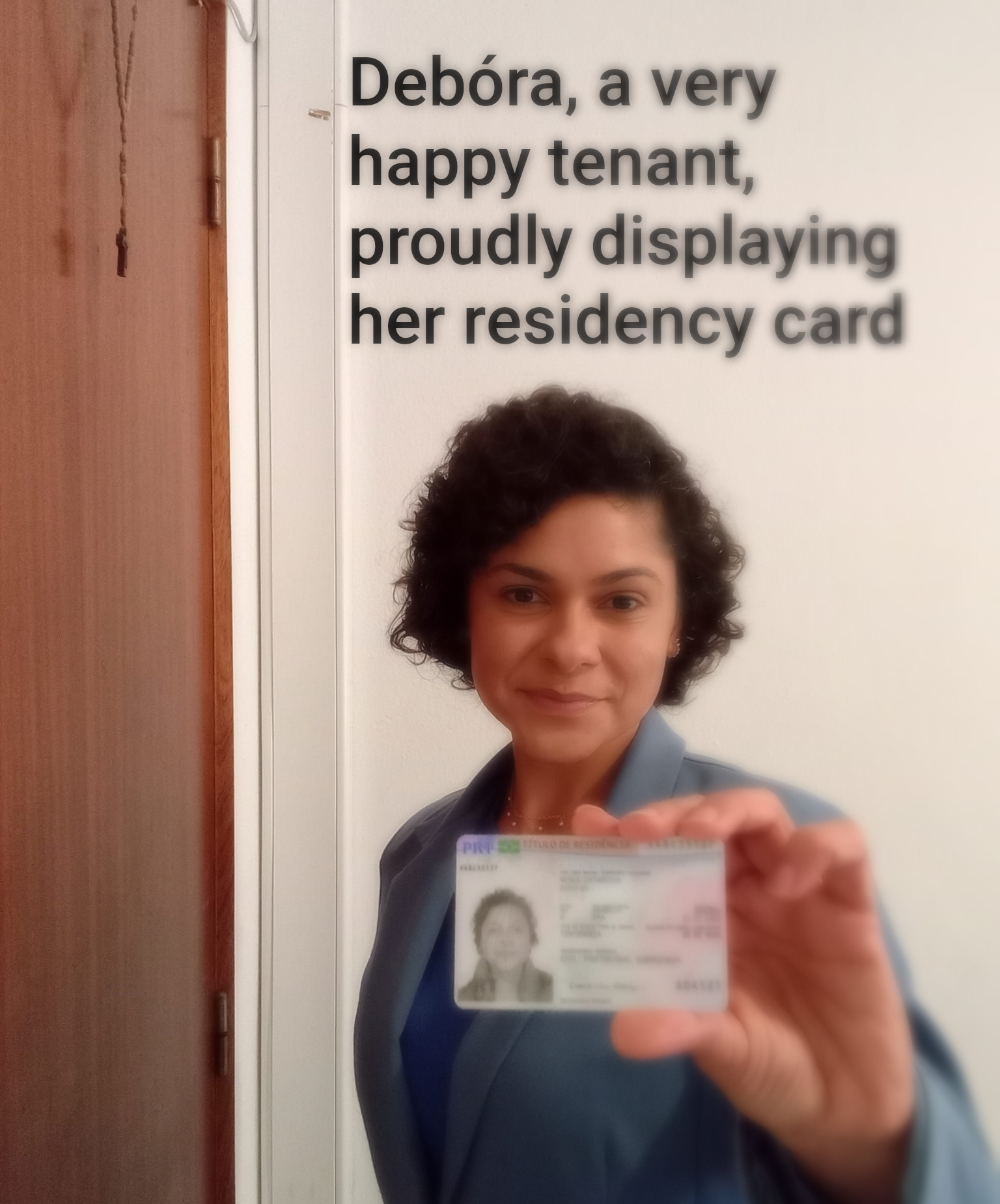
How to Get Residency in Portugal With the Help of Your Landlord and a Declaração de Alojamento
Establishing legal residency in Portugal is a milestone for anyone planning to build a life in the country—whether for work, study, retirement, or simply the desire to enjoy Portugal’s famously high quality of life. One of the most important requirements in the residency process is proving your address. For many newcomers, especially those renting a room or staying in informal housing arrangements, this is where the landlord’s cooperation becomes essential.
A Declaração de Alojamento—a simple but powerful document—can make the difference between a smooth residency application and a bureaucratic dead end.
🏠 What Is a Declaração de Alojamento?
A Declaração de Alojamento is an official statement signed by your landlord (or the person legally responsible for the property) confirming that you live at their address. It is commonly used when:
- You do not yet have a formal rental contract
- You are staying in a room or shared accommodation
- You are living with friends or family
- Your rental contract is not registered with the tax authority
This declaration is accepted by Portuguese authorities such as SEF/AIMA, the local Junta de Freguesia, and the tax office as proof of residence.
Why You Need It for Residency
To apply for residency in Portugal—whether through AIMA, the Junta de Freguesia, or the tax office—you must show proof of address. Authorities want to confirm that you have a stable place to live in the country.
A valid address is required for:
- Getting your NIF (tax number)
- Registering with the Junta de Freguesia
- Applying for AIMA residency permits
- Enrolling in public healthcare (SNS)
- Opening a bank account
- Signing up for utilities
If you don’t have a formal lease, the Declaração de Alojamento becomes your lifeline.
What the Landlord Must Provide
A proper Declaração de Alojamento typically includes:
- Full name of the landlord
- Their Portuguese ID or passport number
- Full address of the property
- Your full name and passport number
- A statement confirming you live at the address
- The date you moved in
- The landlord’s signature
Some municipalities also require:
- A copy of the landlord’s ID
- A copy of the property’s caderneta predial (property registration)
- Proof that the landlord owns or legally rents the property
The landlord may sign the declaration at home, but some Juntas de Freguesia require them to sign it in person.
Step-by-Step: How to Use the Declaration to Get Residency
1. Request the Declaration From Your Landlord
Most landlords are familiar with the process. Explain that you need it for residency and that it does not create legal obligations for them beyond confirming your stay.
2. Register the Declaration at the Junta de Freguesia
Take the signed document to your local Junta. They may:
- Stamp it
- Issue an official Atestado de Residência (residence certificate)
This certificate is often required by AIMA.
3. Use the Certificate for Your Residency Application
Once you have the Atestado de Residência, you can submit it as proof of address when applying for:
- Residency permits
- Family reunification
- Student visas
- Work visas
- EU citizen registration
4. Keep Copies for Future Bureaucracy
You’ll need proof of address repeatedly in Portugal, so having extra copies saves time.
Why the Landlord’s Cooperation Matters
Portugal’s residency system is strict about documentation. Without a rental contract or a landlord’s declaration, many foreigners find themselves stuck—unable to move forward with their residency, tax registration, or even basic services.
A supportive landlord can make the entire process smoother by:
- Signing the declaration
- Providing property documents
- Accompanying you to the Junta if required
This cooperation is often the key to unlocking the rest of your legal integration in Portugal.
Final Thoughts
Getting residency in Portugal doesn’t have to be overwhelming. With the right documents—and a landlord willing to help—you can navigate the system confidently. The Declaração de Alojamento is a simple but essential tool that bridges the gap between informal housing arrangements and formal residency requirements.
If you’re planning to settle in Portugal, building a good relationship with your landlord and understanding this declaration can save you time, stress, and unnecessary complications.