
August 22, 2021 - In: Rooms, Porto , erasmus
June 12 we held our annual summer party at the Tanger Home, using the private patio for grilling up "picanha", drinking sangria and dancing to the beat.
The day started well and ended even better with a lightening show and summer rains. Everybody was thirsty and the sangria just flowed. We cooked up some picanha beef, chicken and pork, some "Dourada" fish and even some grilled Tofu.
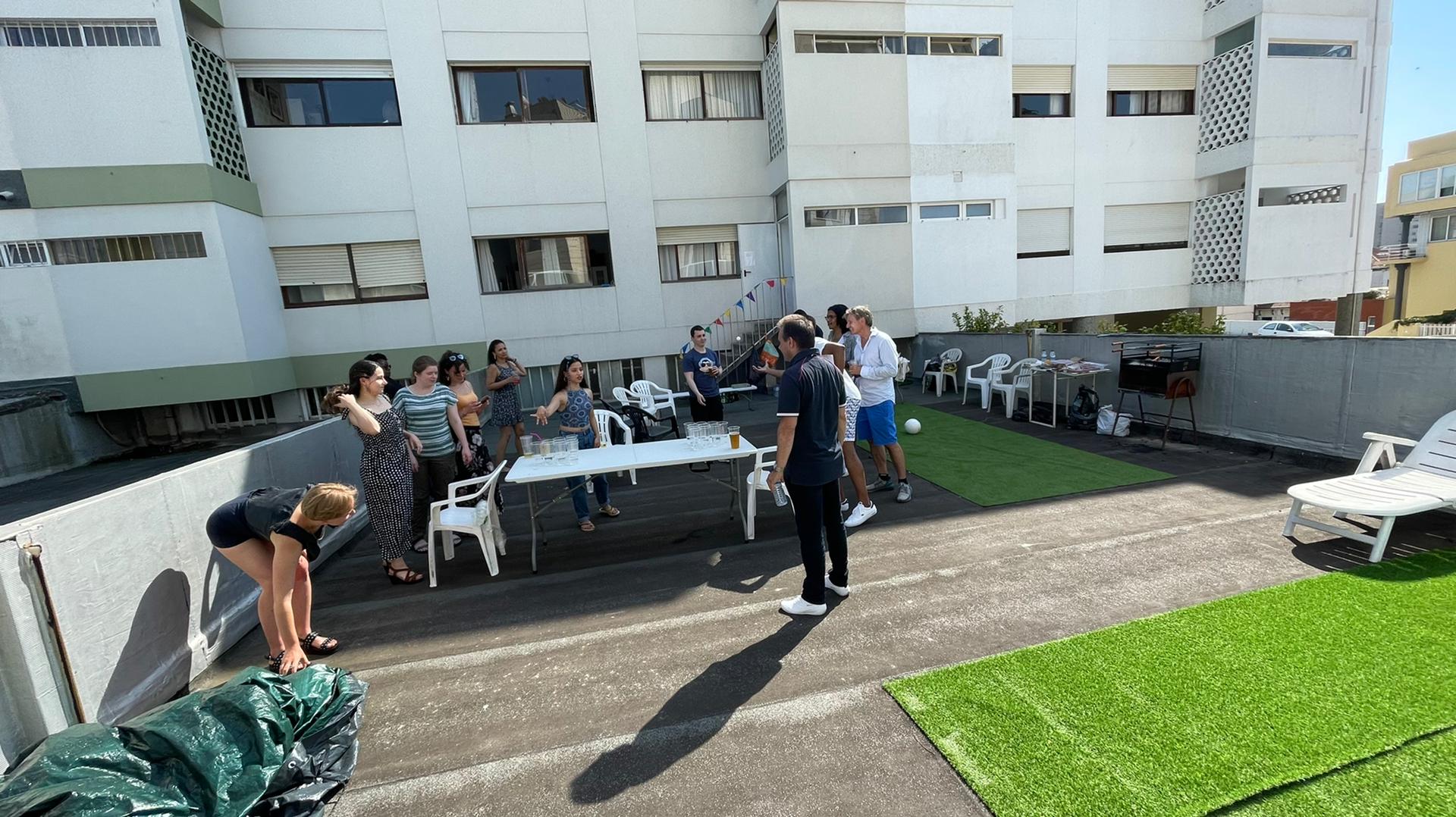
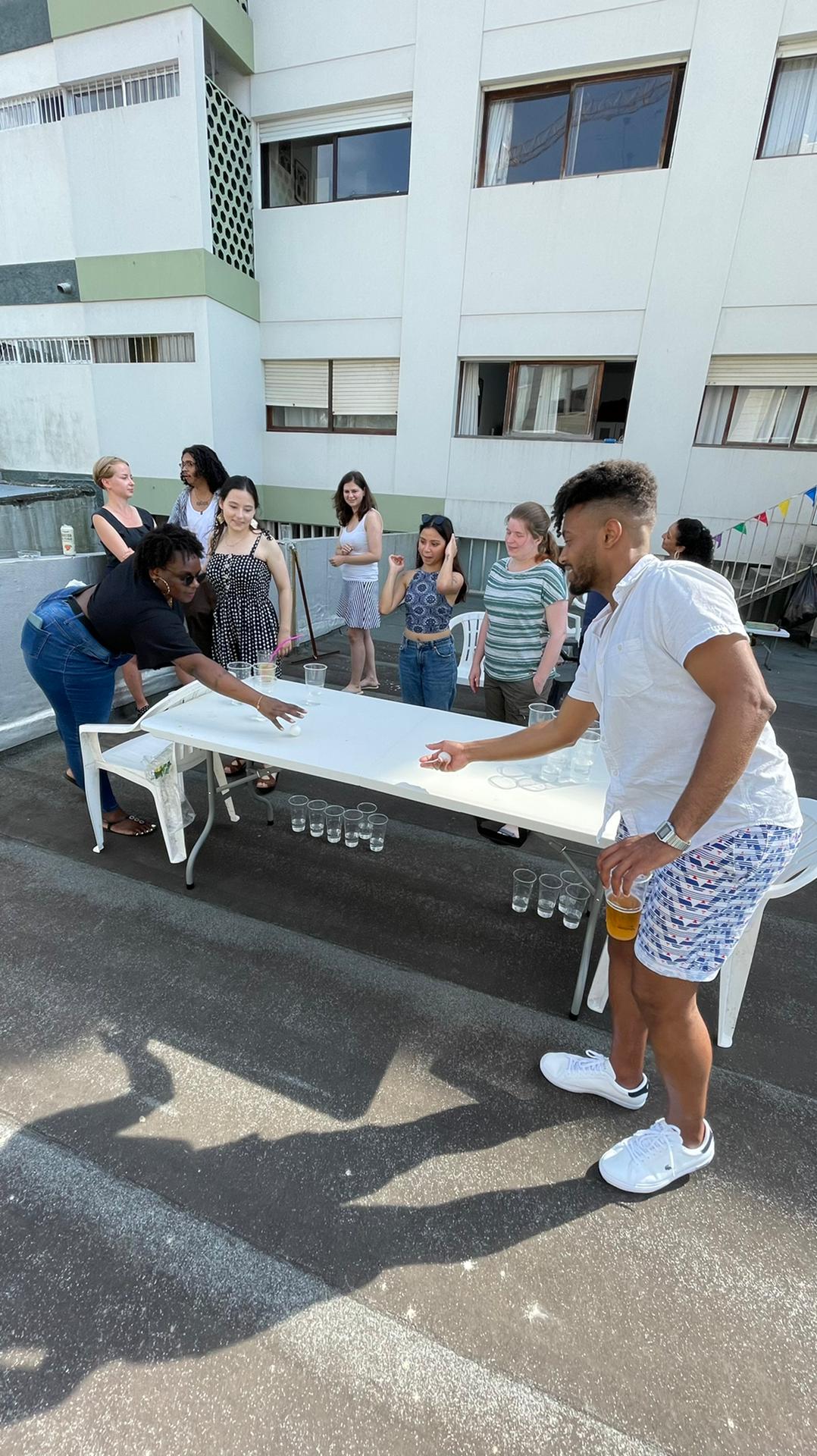
A game of pong ball, which ended up being boys vs girls, and the girls won!
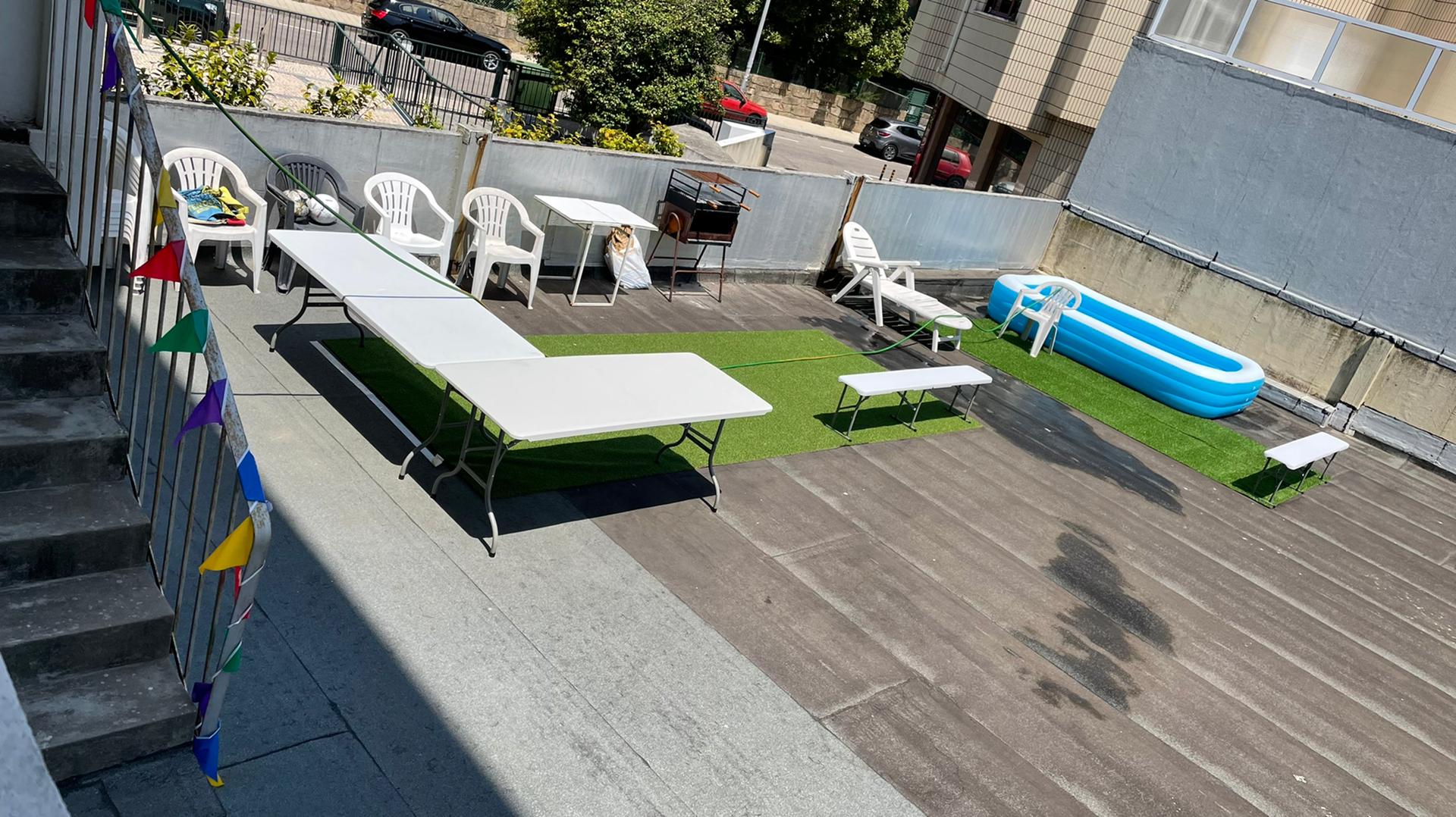
The party allowed for all the different student tenants to mingle and get to know each other. With the lockdown, it has been really hard on the students getting out and having a good time.

After months of quarantine, we were able to let loose!
We hope to do it again in September, welcoming all the new students into the homes.
Até Breve!
Ways to Improve Co-Living in 2026
Building Better Co-Living Communities for the Future
As housing costs continue to rise and remote work becomes more common, co-living has emerged as an attractive solution for students, young professionals, digital nomads, and even retirees. In 2026, successful co-living spaces must go beyond simply providing shared accommodation. They should create environments that promote comfort, community, sustainability, and personal well-being. This article explores key ways to improve co-living in 2026.
1. Integrate Smart Technology
Technology can significantly enhance the co-living experience. Smart home systems can improve convenience, security, and energy efficiency.
Examples include:
- Keyless entry systems for residents.
- Smart thermostats that optimise energy consumption.
- Mobile apps for booking shared facilities.
- AI-powered maintenance reporting and tracking.
- Automated lighting and climate control in common areas.
These innovations help residents manage their daily lives more efficiently while reducing operational costs.
2. Foster Strong Community Engagement
One of the main advantages of co-living is the sense of community. However, community does not develop automatically.
Operators can encourage engagement by:
- Organising regular social events.
- Creating hobby and interest groups.
- Hosting networking opportunities for professionals.
- Celebrating cultural and seasonal events.
- Establishing community guidelines collaboratively.
Building meaningful relationships among residents can reduce loneliness and improve overall satisfaction.
3. Design Flexible Living Spaces
Modern residents have diverse lifestyles and needs. Flexible design can make co-living more appealing.
Key design features include:
- Modular furniture.
- Convertible work and leisure spaces.
- Private soundproof pods for focused work.
- Adaptable room layouts.
- Multi-purpose communal areas.
This flexibility allows residents to personalise their experience without requiring significant renovations.
4. Prioritise Mental Health and Well-Being
Mental health has become a major concern worldwide. Co-living spaces can play an important role in supporting resident well-being.
Suggestions include:
- Quiet relaxation zones.
- Meditation and wellness rooms.
- Access to mental health resources.
- Community support programmes.
- Natural lighting and biophilic design elements.
A healthy environment contributes to happier and more productive residents.
5. Embrace Sustainability
Environmental responsibility is expected rather than optional in 2026.
Sustainable improvements may include:
- Solar energy systems.
- Water-saving technologies.
- Recycling and composting programmes.
- Shared electric vehicles and bicycles.
- Sustainable building materials.
These initiatives reduce environmental impact while appealing to environmentally conscious residents.
6. Improve Conflict Resolution Systems
Sharing living spaces can sometimes lead to disagreements. Effective conflict management is essential.
Best practices include:
- Transparent house rules.
- Clear communication channels.
- Digital issue-reporting systems.
- Resident mediation programmes.
- Regular feedback surveys.
Addressing concerns early helps maintain a positive and respectful atmosphere.
7. Support Hybrid Work and Learning
With hybrid work and online education becoming increasingly common, co-living spaces should provide strong support for productivity.
Important features include:
- High-speed internet.
- Dedicated coworking spaces.
- Video conferencing rooms.
- Ergonomic furniture.
- Reliable backup power systems.
Residents benefit from having professional-quality facilities close to home.
8. Increase Inclusivity and Accessibility
Future co-living communities should be welcoming to people from diverse backgrounds and abilities.
Accessibility improvements include:
- Barrier-free entrances.
- Accessible bathrooms and kitchens.
- Multilingual communication tools.
- Diversity-focused community programmes.
- Affordable pricing options for various income groups.
Inclusive communities tend to be stronger, more innovative, and more resilient.
9. Enhance Privacy Without Sacrificing Community
A common challenge in co-living is balancing social interaction with personal space.
Solutions include:
- Better acoustic insulation.
- Private work areas.
- Personal storage solutions.
- Flexible room configurations.
- Resident-controlled privacy settings for community platforms.
When residents have adequate privacy, they are more likely to participate positively in communal activities.
10. Use Data Responsibly to Improve Services
Building operators can use data analytics to improve resident experiences while respecting privacy.
Examples include:
- Monitoring common-area usage.
- Tracking maintenance trends.
- Measuring resident satisfaction.
- Optimising energy consumption.
- Planning community events based on participation data.
Strong privacy policies and transparent data practices are essential to maintaining trust.
Conclusion
Co-living in 2026 has the potential to become more than a housing solution. By embracing smart technology, sustainability, flexible design, inclusivity, and community-focused initiatives, co-living spaces can offer a higher quality of life for residents. The most successful co-living communities will combine convenience, affordability, and meaningful human connection, creating living environments that meet the demands of an evolving world.